 Skip to content
Choosing dedicated hardware for television streaming changes how your living room operates. When households look into MAG boxes for IPTV, they usually want something reliable that bypasses the limitations of standard smart television software.
Infomir manufactures these units specifically for portal-based streaming. They run on a custom Linux operating system rather than Android TV or Fire OS. That means you get a streamlined interface built purely for media playback, but it also comes with distinct quirks you need to understand.
1. Linux Operating System vs Android Alternatives
Most modern streaming devices rely on Android or fork-heavy systems like Amazon’s Fire OS. Infomir’s hardware takes a different route. It uses a closed Linux environment designed strictly for media delivery.
You won’t find a sprawling app store filled with casual games or niche utilities. Instead, the interface focuses entirely on portal integration and video playback. If you prefer a locked-down, stable box that boots straight into your service provider’s menu without distractions, this design works brilliantly. If you want to sideload extra APKs or run casual apps, you might find it frustrating. Readers deciding between different hardware platforms can also check our MAG boxes vs Amazon Fire TV Stick comparison for a deeper look at how these form factors stack up.
2. Connection Options and Ethernet Priority
Network stability dictates whether your stream stays crisp or drops to a blurry mess during peak evening hours. Many entry-level streaming sticks rely entirely on Wi-Fi chips that struggle through thick Victorian brick walls common across British homes.
Most Infomir models include a physical Ethernet port alongside Wi-Fi capabilities. Plugging a network cable directly into your broadband router eliminates local wireless interference entirely. Even if your wireless router sits across the room, taking advantage of that wired port secures a steady bitrate for high-definition channels.
3. Portal Configuration and Stalker Middleware
Unlike plug-and-play consumer apps downloaded from an official app store, these units require manual configuration through a portal URL and your device’s unique MAC address.
You need to input server details provided by your legitimate service operator into the device settings menu. This backend system, often running Stalker middleware, maps your hardware address to your subscriber account. It sounds technical, but once configured, the unit boots directly into your custom channel lineup every single time you turn on the television.
4. Remote Control and Navigation Layout
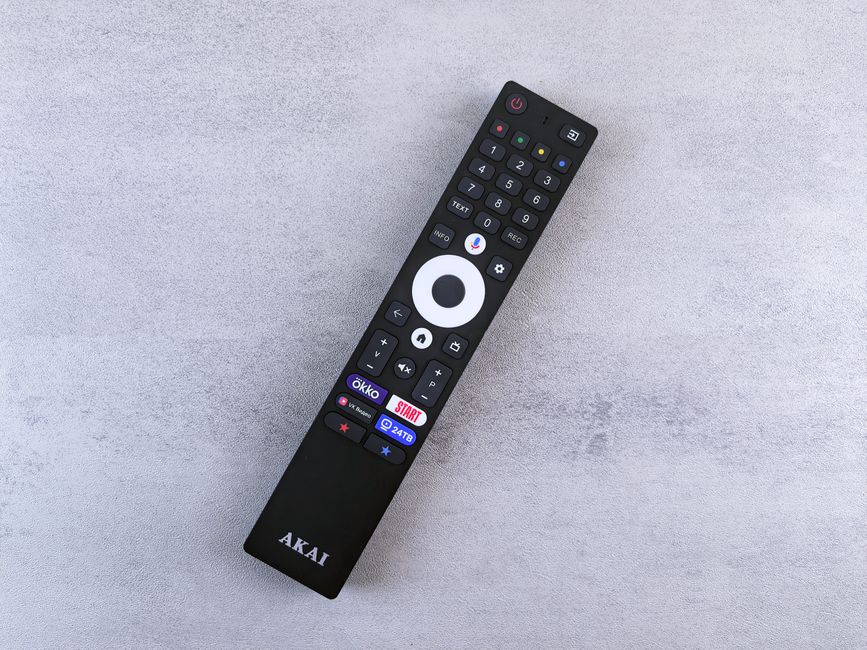
Hardware design matters when you share a sofa with family members who just want to change channels quickly. Infomir bundles a chunky infrared remote featuring dedicated numeric buttons and colour-coded function keys.
That layout mimics a traditional Sky or Freeview handset. It makes channel surfing feel natural for viewers transitioning away from standard satellite or aerial setups. You don’t have to swipe endlessly through modern touch-style interfaces just to jump from channel one to channel forty.
5. Video Resolution and Hardware Capabilities
Not all hardware tiers handle high-end video codecs equally. Older units max out at standard high definition, while modern variants support full 4K output at sixty frames per second with HEVC decoding.
Check your television’s native resolution and the exact model specification before purchasing. If your household relies on a 4K panel, ensure your chosen unit features the processing power and HDMI output to match your screen. Pairing older hardware with a modern Ultra HD display wastes the capability of both devices.
Related reading
- How to Choose the Right HDMI Cable for 4K Streaming on UK Smart TVs
- IPTV UK Set-Top Box Myths vs Facts: What Viewers Need to Know
